
UK to West Africa expansion frequently stalls not because of weak consumer demand, but because of what happens after goods leave the factory floor.
We recently worked through a severe cash flow standstill with a UK consumer brand entering Lagos. On paper, the launch was a success: a top-tier distributor was signed, containers were shipped, and stock was placed across key accounts. By month four, however, working capital was entirely frozen.
The overseas finance team had built their model around standard 30-day corporate settlements. On the ground, the local distributor needed 90 days to float credit down to regional sub-distributors and traditional open-market wholesalers. When you layer central bank foreign exchange processing queues and port dwell times on top of that 60-day mismatch, gross margins vanish fast.
Founders and executive teams often spend nine months negotiating a distribution deal, treating the signed contract as the finish line. In reality, securing a distributor is only part of the work. Managing the post-launch route-to-market is where commercial survival is decided.
What Causes UK to West Africa expansion Bottlenecks?
When cross-border trade ventures hit a wall, the breakdown usually happens in the operational gap between shipping and cash collection. Three main friction points account for most post-launch failures:
-
The Credit Term Mismatch: Forcing rigid 30-day settlement terms on local distributors who operate in 60- to 90-day wholesale realities creates instant friction. Distributors simply stop placing re-orders until downstream cash clears.
-
FX and Import Documentation Delays: Misaligning Central Bank trade documentation, regulatory filings, or Form M approvals with vessel arrival dates leads to administrative hold-ups before goods even reach customs.
-
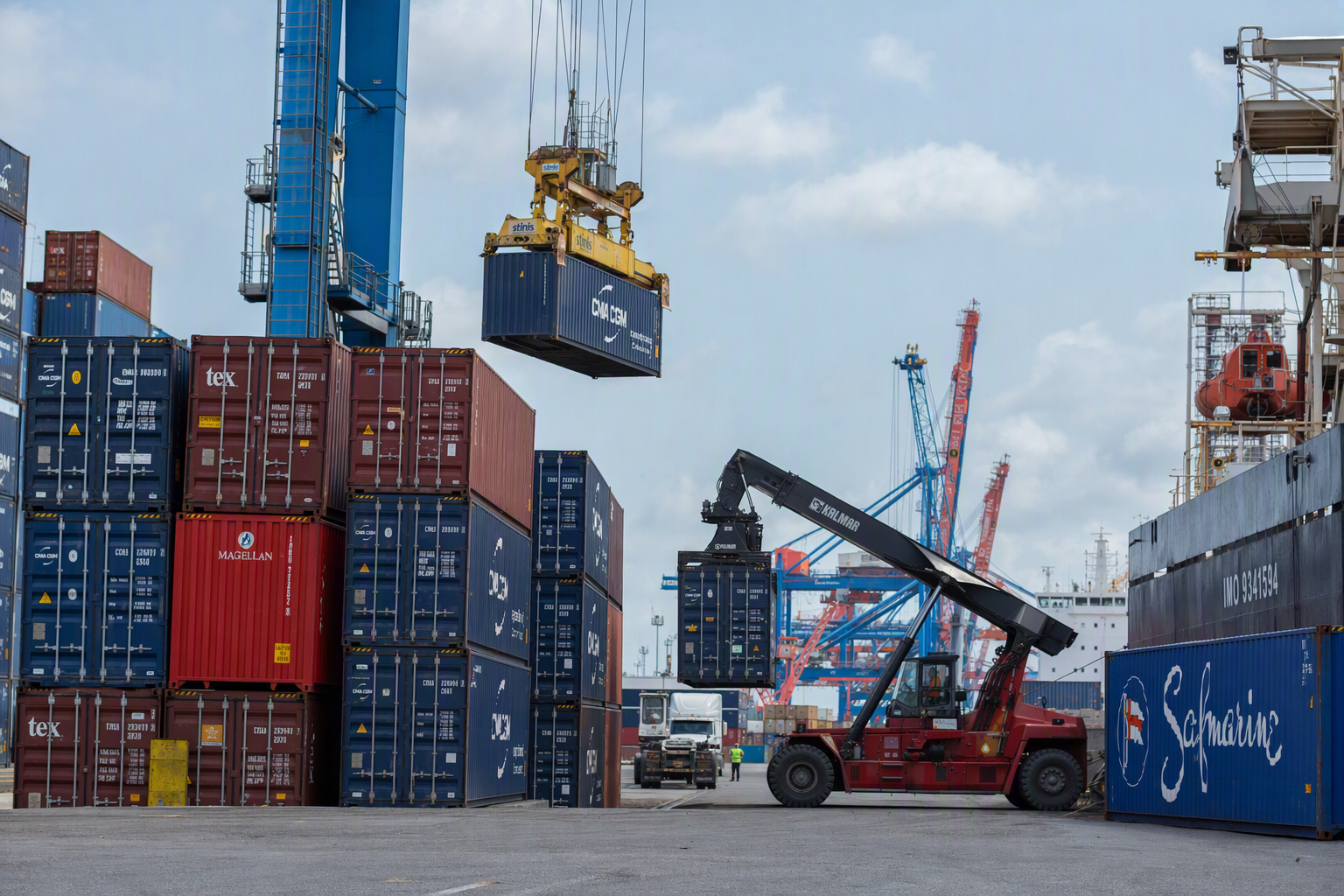
Port Dwell Times and Demurrage: Without proactive, daily oversight at regional ports, container clearance slows down. Daily storage and demurrage penalties eat into inventory value before products hit the warehouse floor.
Why UK to West Africa expansion Requires Ground-Level Intelligence
Navigating these friction points requires moving away from hands-off distribution models and building active operational oversight in-market.
At Agapely Advisory, we work alongside leadership teams to protect margins and keep supply chains moving through three core advisory areas:
-
Market Entry & Entity Intelligence: On-the-ground regulatory guidance, import documentation oversight, and real-time trade channel intelligence before capital is committed.
-
Growth & Scaling: Structuring commercial contracts and distributor governance models that balance overseas treasury expectations with local market liquidity.
-
Strategic Partnerships: Connecting international brands with vetted local logistics, clearance, and supply chain partners to eliminate post-factory delays.
Building a Resilient Route-to-Market
Expanding into West Africa offers massive long-term upside, but success requires matching high-level strategy with boots-on-the-ground execution. If your expansion plan ends at the signed distribution contract, you are leaving half the operational risk unmanaged.
Are you reviewing your West Africa expansion model or dealing with post-launch friction?
Book a time slot with our team at Agapely Advisory to discuss your route-to-market strategy Book A Consultation | Let’s discuss your business growth.