Africa’s business landscape is rapidly evolving, with small and medium-sized enterprises (SMEs) playing a pivotal role in driving economic growth. These businesses form the backbone of many African economies, accounting for a significant percentage of employment and GDP across the continent. Investing in African SMEs presents a tremendous opportunity for investors, offering not only substantial financial returns but also a chance to contribute to sustainable economic development.
Why African SMEs Matter for Economic Growth
SMEs in Africa represent more than 90% of businesses and contribute to over 60% of employment. These enterprises are integral to job creation, poverty alleviation, and innovation. As Africa continues to experience population growth and urbanization, SMEs are stepping in to meet the demand for goods, services, and infrastructure. This creates an ecosystem ripe for investment.
For investors, the growth of African SMEs signals a unique opportunity to invest in high-potential businesses that can contribute to both local and global markets. By supporting these enterprises, investors can fuel economic progress while achieving substantial returns.
Key Sectors for SME Growth in Africa
1. Agriculture
Agriculture remains the largest sector in Africa, with a vast number of SMEs operating in farming, agri-tech, and food processing. Given the continent’s rich resources and growing demand for food, this sector offers numerous investment opportunities. Investors can look to fund technology that improves productivity or businesses focused on sustainable farming practices.
2. Technology and Innovation
The tech landscape in Africa is booming, particularly in fintech, health-tech, and e-commerce. SMEs are at the forefront of this digital transformation, solving critical challenges and offering scalable solutions. Investing in tech-driven SMEs provides high growth potential while contributing to Africa’s transition into a more digitally connected economy.
3. Renewable Energy
Energy access remains a major issue in many African countries, but renewable energy is changing that narrative. Many SMEs are developing innovative solutions in solar power, wind energy, and off-grid systems. These businesses are critical to solving Africa’s energy challenges and present attractive investment opportunities.
4. Retail and Consumer Goods
With Africa’s growing middle class, the retail sector is experiencing rapid expansion. SMEs in this space are tapping into the rising demand for consumer goods, both online and offline. Investors can benefit from supporting SMEs leveraging technology to meet the evolving needs of African consumers.
Youth Entrepreneurship: A Catalyst for Change
The rise of youth entrepreneurship in Africa is transforming the SME landscape. Young, ambitious entrepreneurs are not only driving innovation but are also addressing key social and economic issues through creative, tech-driven solutions. This youthful energy offers investors a unique opportunity to engage with forward-thinking businesses that are shaping the continent’s future.
Investing in youth-led SMEs can unlock fresh perspectives, bold ideas, and new markets—ultimately contributing to long-term economic growth.
Infrastructure Development: A Critical Enabler for SMEs
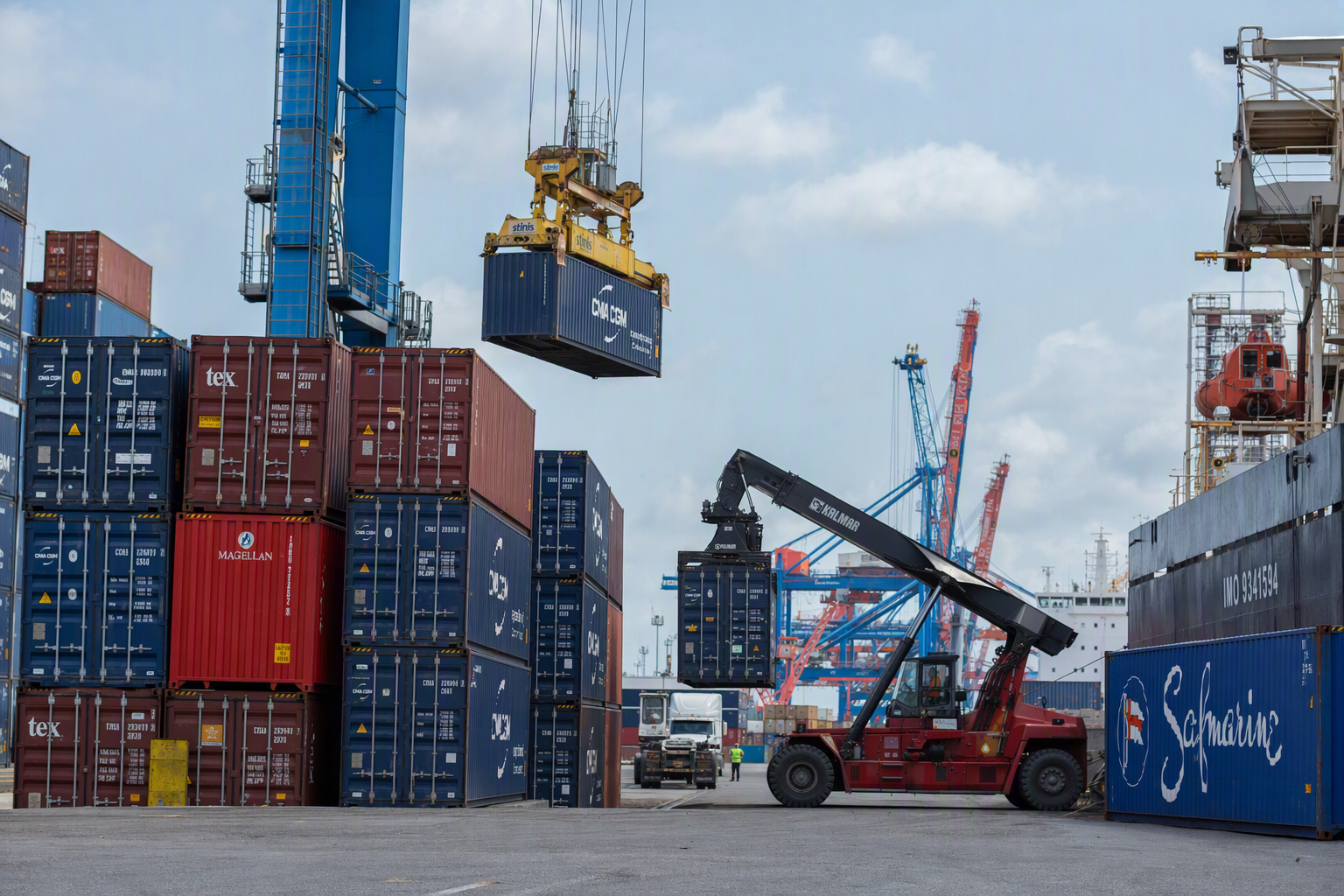
The growth and scalability of African SMEs depend heavily on infrastructure development. Many African governments and private investors are investing in transport, communication, and energy systems that provide essential support for businesses to expand their operations. Improved infrastructure can help SMEs streamline logistics, reach wider markets, and enhance operational efficiency, making the continent an even more attractive destination for investment.
How Investors Can Capitalize on African SMEs
Investing in African SMEs is not without its challenges, but the potential rewards are significant. Here are key strategies for investors looking to tap into the SME market:
1. Understand the Local Context
Each African country has its own regulatory environment, cultural practices, and market dynamics. Investors need to conduct thorough market research to understand these nuances. Partnering with local advisory firms, like Agapely Advisory, can provide valuable insights and help navigate the complexities of the market.
2. Leverage Public-Private Partnerships (PPP)
Many African governments actively support SMEs through policies, funding initiatives, and partnerships. Investors can take advantage of these initiatives to reduce risks and maximize returns. Public-private partnerships offer a way to support social and economic goals while achieving financial gains.
3. Focus on Impact Investing
Investing in African SMEs offers the opportunity for impact-driven returns. By focusing on sectors that contribute to job creation, poverty reduction, and sustainable development, investors can achieve both financial and social impact. This dual focus is especially appealing to international investors seeking meaningful returns.
4. Use Venture Capital and Private Equity
Many African SMEs are in the growth or scaling phase, making them ideal candidates for venture capital and private equity investment. These financing methods allow investors to support high-potential businesses with the capital they need to expand while gaining a stake in their long-term success.
Success Stories of African SMEs
1. Jumia
Often referred to as the “Amazon of Africa,” Jumia is a prime example of how an SME can scale rapidly and dominate an emerging market. It demonstrates the vast potential of e-commerce in Africa, especially as digital penetration increases across the continent.
2. Flutterwave
Flutterwave has revolutionized payment processing in Africa, making it easier for businesses to accept payments. Its success underscores the growing potential of the fintech sector and how SMEs are solving real-world problems in innovative ways.
3. M-Pesa
M-Pesa has been a game-changer for financial inclusion in Kenya, empowering individuals and businesses alike. Its story highlights the power of innovative financial solutions in emerging markets and the potential for SMEs to lead this transformation.
Challenges to Consider
- Access to Financing: Many SMEs struggle to access the necessary capital to grow, limiting their potential.
- Regulatory Hurdles: Bureaucratic processes and changing regulations can hinder the ease of doing business.
- Infrastructure Gaps: Inadequate infrastructure in some regions can affect the scalability and operational efficiency of SMEs.
Despite these challenges, with the right strategies and local expertise, these risks can be mitigated. Investors can leverage local advisory firms to ensure they are making informed decisions.
Conclusion
African SMEs are driving the continent’s economic growth, providing investors with a unique opportunity to participate in this expansion. By focusing on key sectors like agriculture, technology, renewable energy, retail, and youth entrepreneurship—and by understanding the local context—investors can unlock the vast potential these enterprises hold.
For those looking to invest in Africa’s future, SMEs represent a gateway to sustainable economic development and long-term financial success.
Are you ready to explore the untapped potential of African SMEs? Agapely Advisory is here to guide you every step of the way.
Visit Agapely Advisory for expert insights and investment strategies that can help you navigate the African SME landscape with confidence.